Mastering Team Member Widget Design
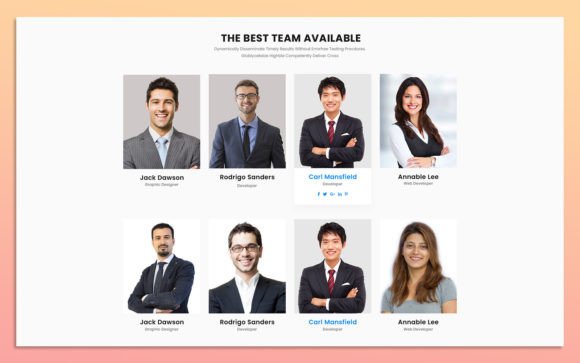
In the digital landscape, trust is the currency of conversion. When a potential client lands on your website, they aren’t just looking for services or products; they are looking for the people behind the brand. This is where the 10.Team Member Widget Design Elements become an indispensable asset for modern web development. These pre-designed components are not merely decorative; they are strategic tools that humanize your brand, establish credibility, and guide user attention effectively.
For professionals ranging from freelance developers to marketing agency owners, the ability to deploy high-quality team sections quickly is a significant competitive advantage. The 10.Team Member Widget Design for Web-UI Kit offers a streamlined solution that balances aesthetic appeal with technical flexibility. By leveraging these elements, you can create a cohesive narrative about your organization without getting bogged down in the minutiae of pixel-perfect coding from scratch.
The Architecture of Modern Team Displays
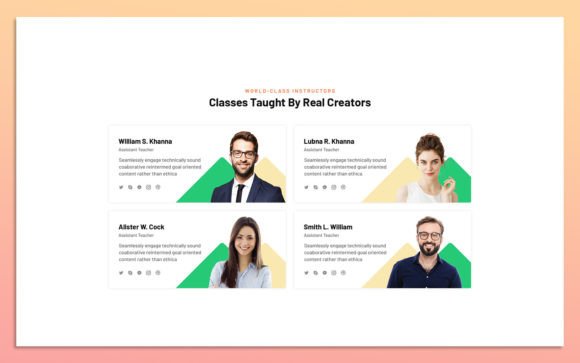
What sets this specific UI kit apart is its commitment to simplicity and scalability. In an era where users scan content rapidly, cluttered designs often lead to high bounce rates. The 10.Team Member Widget Design Elements prioritize a clean, modern aesthetic that ensures readability and visual harmony. Each widget is crafted with fully organized layers, meaning that every element—from the profile image to the social media icons—is logically separated and named.
This organizational structure is crucial for efficiency. When you open the source file in Photoshop, you are not greeted by a chaotic mess of unnamed layers. Instead, you find a systematic approach that allows for rapid customization. Whether you need to adjust the padding, change the typography, or swap out color schemes to match a client’s brand guidelines, the process is intuitive. The use of Google Fonts ensures that your text remains crisp and legible across all devices, maintaining the professional polish that users expect from contemporary websites.
Customization Without Compromise
One of the most common pain points in web design is the rigidity of templates. Many pre-made solutions look great out of the box but fall apart when you try to adapt them to specific branding requirements. The 10.Team Member Widget Design addresses this by offering 100% scalable and fully editable features. Because the elements are vector-based or high-resolution raster images optimized for web use, you can resize them without losing quality.
Changing the color style is particularly straightforward. If your brand identity relies on a specific shade of navy blue or a vibrant orange accent, you can update the global color styles in Photoshop, and the changes propagate through the design instantly. This level of control empowers designers to maintain brand consistency while saving hours of manual adjustment time. Furthermore, the ability to easily swap images means you can test different headshots or layout configurations to see what resonates best with your audience before committing to code.
Practical Applications Across Industries
The versatility of the 10.Team Member Widget Design Elements makes them suitable for a wide array of industries. For corporate enterprises, these widgets provide a structured way to showcase leadership teams, reinforcing stability and expertise. A financial firm, for instance, can use a conservative, clean layout to display advisor profiles, complete with credentials and direct contact links, thereby fostering trust with potential investors.
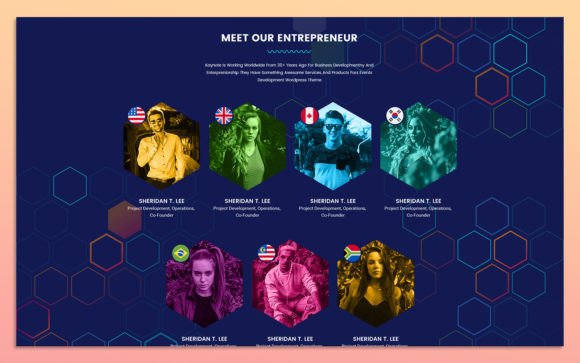
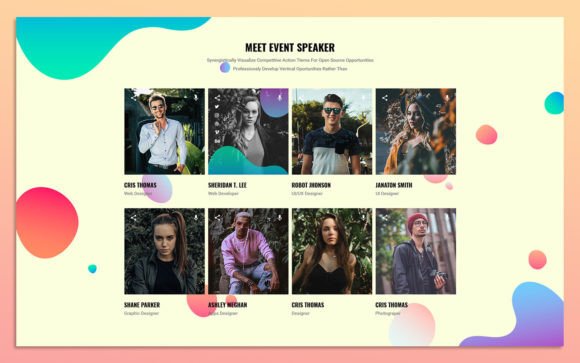
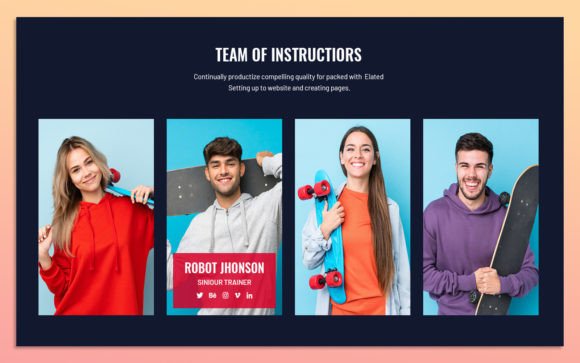
Creative agencies and startups benefit from the modern, flexible nature of these designs. They can opt for more dynamic layouts that highlight the personality of each team member. By incorporating casual headshots or creative bio snippets, these organizations can project a culture of innovation and approachability. The ease of customization allows them to iterate quickly as their team grows or as their brand evolves.
Educators and non-profit organizations also find immense value in these tools. For a university department website, displaying faculty members with their research interests and publication links helps students and colleagues connect with the right experts. Non-profits can use these widgets to introduce board members and key volunteers, humanizing their cause and encouraging donor engagement through personal connection.
Enhancing User Experience and Engagement
Beyond aesthetics, the primary function of a team widget is to facilitate connection. The 10.Team Member Widget Design is engineered with user experience (UX) principles in mind. Clear hierarchy ensures that the most important information—usually the name and role—is immediately visible. Secondary information, such as bios or social links, is accessible without overwhelming the user.
Consider the impact on mobile users. With responsive design being non-negotiable, these elements are designed to stack and scale gracefully on smaller screens. A potential client browsing on a smartphone should have the same seamless experience as someone on a desktop. The clean lines and adequate whitespace prevent touch targets from being too small, reducing frustration and increasing the likelihood of interaction.
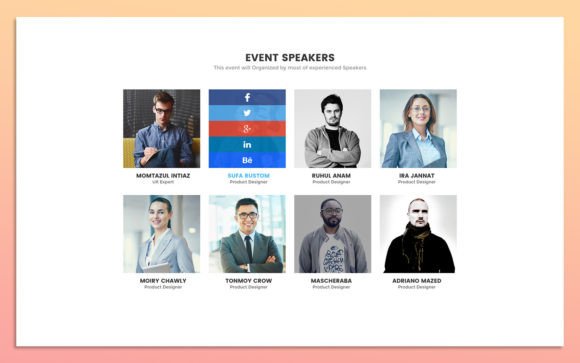
Moreover, the integration of social media icons within the widget design serves as a direct bridge to other platforms. This multi-channel approach allows users to engage with team members on LinkedIn, Twitter, or Instagram, deepening the relationship beyond the initial website visit. It transforms a static "About Us" page into a dynamic networking hub.
Implementation Best Practices
To get the most out of the 10.Team Member Widget Design Elements, consider the context in which they will be deployed. While the templates are flexible, thoughtful implementation yields better results. Start by gathering high-quality, consistent photography. Even the best design cannot compensate for poorly lit or mismatched headshots. Ensure that all team members adhere to a similar style guide for their photos to maintain visual cohesion.
When editing in Photoshop, take advantage of the fully organized layers to create variations. You might design one version for the homepage, featuring key leadership, and another for the dedicated "Team" page, including all staff members. Consistency in font usage and color palette across these variations strengthens brand recognition.
Additionally, pay attention to the copy. The design provides the structure, but the content provides the soul. Keep bios concise and focused on value. Instead of listing every job duty, highlight unique skills or personal interests that make each team member memorable. This combination of strong visual design and compelling content creates a powerful impression.
Finally, remember that these elements are starting points. Use them as a foundation to build something unique. Experiment with hover effects, animations, or interactive elements once you move from design to development. The 10.Team Member Widget Design gives you the structural integrity and visual baseline; your creativity determines the final impact. By focusing on clarity, consistency, and user-centric design, you can transform a simple list of names into a compelling story of your organization’s strength and character.