Mastering Realistic UI/UX Backgrounds
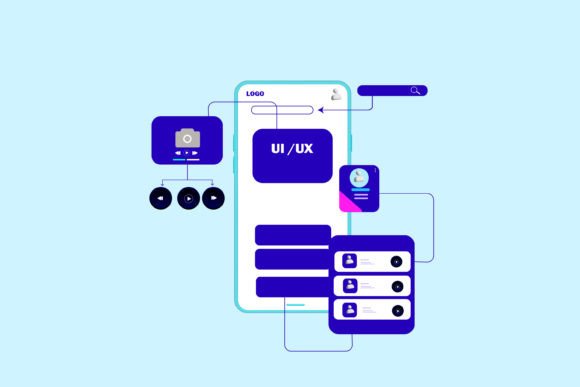
In the crowded digital landscape, first impressions are not just important—they are definitive. When a user lands on your website or opens your application, the visual environment sets the tone for their entire journey. This is where a Realistic Ui ux Background becomes an indispensable asset for designers, developers, and brand strategists alike. Unlike flat colors or abstract gradients that dominated the early 2010s, realistic backgrounds offer depth, texture, and context. They bridge the gap between the digital interface and the physical world, creating an immersive experience that feels tangible and trustworthy.
But what exactly makes a background "realistic," and why should you care? It is not merely about photorealism; it is about creating a visual hierarchy that supports content rather than competing with it. A well-chosen background can guide the eye, establish mood, and reinforce brand identity without saying a word. For professionals ranging from freelance UI designers to marketing directors at established firms, understanding how to leverage these assets is a critical skill in modern web design.
The Power of Depth and Context
A Realistic Ui ux Background typically incorporates elements such as soft shadows, natural lighting, material textures (like paper, wood, or fabric), or blurred photographic environments. These elements add a layer of sophistication that flat design often lacks. The human brain is wired to process three-dimensional spaces efficiently. By mimicking real-world physics and materials, you reduce cognitive load. Users intuitively understand which elements are interactive and which are decorative because the visual cues align with their everyday experiences.
Consider the difference between a stark white dashboard and one that sits atop a subtle, textured surface with soft ambient occlusion. The latter feels more premium, more grounded, and often more inviting. This psychological effect is powerful. It can increase dwell time, improve perceived value, and foster a sense of comfort. For e-commerce platforms, this translates directly to higher conversion rates. For SaaS products, it can reduce churn by making complex tools feel more approachable.
Key Characteristics of High-Quality Assets
Not all backgrounds are created equal. When evaluating a Realistic ui ux background Eps file or any other format, look for these defining traits:
- Subtlety: The best realistic backgrounds are understated. They should never overpower the foreground content. If the user notices the background before the call-to-action button, the design has failed.
- Consistency: Lighting sources and shadow directions must be consistent throughout the interface. Inconsistencies break immersion and make the design feel amateurish.
- Scalability: This is where vector formats shine. A high-quality EPS file ensures that your background remains crisp on everything from a smartwatch screen to a 4K monitor.
- Accessibility: Contrast ratios matter. A realistic texture must not interfere with text readability. Always test your backgrounds against WCAG guidelines to ensure inclusivity.
Practical Applications Across Industries
The versatility of realistic backgrounds allows them to be deployed across a wide spectrum of digital products. Here is how different sectors can leverage this design trend effectively.
E-Commerce and Retail
In online retail, trust is currency. A Realistic Ui ux Background that mimics a high-end boutique interior or a clean, well-lit studio space can elevate the perceived quality of products. For instance, a jewelry brand might use a soft, velvet-textured background to highlight the sparkle of diamonds. This contextual framing helps users visualize the product in a desirable setting, enhancing emotional connection and purchase intent.
Corporate and Financial Services
Banks and fintech apps often struggle with being perceived as cold or impersonal. Introducing realistic elements, such as subtle paper textures or warm wooden tones, can humanize the brand. It suggests stability, tradition, and care. However, the key here is restraint. The background should convey professionalism without clutter. A clean, light-gray concrete texture might suggest solidity and modernity, aligning perfectly with a neo-bank’s brand values.
Creative Portfolios and Agencies
For designers, photographers, and creative agencies, the website itself is a portfolio piece. Using a Realistic ui ux background Eps file allows for complete control over the aesthetic. You can create unique, branded environments that showcase your work in a custom gallery setting. Imagine a photographer’s portfolio where each image appears to be resting on a specific surface relevant to the shoot—sand for beach photos, concrete for urban architecture. This level of detail demonstrates attention to craft and elevates the viewer’s experience.
Why Vector Formats Matter: The EPS Advantage
While JPEGs and PNGs are common, serious designers prefer vector formats like EPS for background elements. Why? Because scalability is non-negotiable in responsive design. A Realistic ui ux background Eps file can be resized infinitely without losing quality. This is crucial for maintaining sharp edges and smooth gradients across devices with varying pixel densities.
Moreover, EPS files are editable. You can tweak colors, adjust opacity, or modify shapes directly within design software like Adobe Illustrator or Sketch. This flexibility allows for rapid iteration during the design process. Instead of requesting new assets from a illustrator every time you want to change the hue of a shadow, you can adjust it yourself. This efficiency saves time and resources, particularly in agile development environments where speed is essential.
Implementation Best Practices
Integrating realistic backgrounds requires a strategic approach. Here are some practical tips to ensure success:
- Layering: Use multiple layers to create depth. Place a base texture, add a gradient overlay for lighting, and then apply a blur effect if necessary. This modular approach gives you greater control over the final look.
- Performance Optimization: Realistic backgrounds can be heavy. If using raster images, compress them appropriately. For vectors, simplify paths where possible to reduce file size. Always prioritize page load speed.
- Dark Mode Compatibility: Ensure your background works in both light and dark modes. A texture that looks great on white might disappear or look muddy on black. Create variants for each theme.
- User Testing: Never assume your background is effective. Conduct A/B tests to see how different backgrounds impact user behavior. Metrics like bounce rate and time on page can provide valuable insights.
Enhancing User Engagement Through Visual Storytelling
Ultimately, a Realistic Ui ux Background is a tool for storytelling. It sets the stage for the narrative your brand wants to tell. Whether it is the adventure of travel, the precision of engineering, or the warmth of community, the background provides the atmospheric context. When used correctly, it transforms a static interface into a dynamic environment that engages users on a sensory level.
For entrepreneurs and marketers, this means moving beyond mere functionality to consider emotional resonance. Ask yourself: How do I want the user to feel? Calm? Excited? Secure? Inspired? Your choice of background texture, color, and lighting should answer that question implicitly. By aligning visual design with user psychology, you create interfaces that are not only usable but also memorable.
In conclusion, the shift towards realistic UI/UX backgrounds is not just a trend; it is a maturation of digital design. It reflects a deeper understanding of how humans interact with screens. By leveraging high-quality assets, such as a versatile Realistic ui ux background Eps file, and applying them with intention and precision, you can create digital experiences that stand out in a saturated market. Focus on clarity, consistency, and user needs, and let the realism serve the substance of your content.