Enhancing Digital Presence with 3D Landing Page and Web Page Assets
In the rapidly evolving landscape of digital marketing and web design, capturing user attention within the first few seconds of a site visit is no longer just an advantage—it is a necessity. Traditional two-dimensional interfaces, while functional, often struggle to convey depth, interactivity, and modernity in a saturated market. This is where the concept of a 3d Landing Page and Web Page becomes increasingly relevant for professionals seeking to elevate their brand presence. By integrating three-dimensional elements into standard web structures, businesses and creators can offer immersive experiences that significantly boost engagement metrics and conversion rates.
The availability of high-quality resources, such as the 3d landing page and web page Eps file, provides a practical entry point for designers and developers who wish to implement these advanced visual strategies without starting from scratch. These assets serve as foundational templates that can be customized to fit specific brand identities, offering a balance between aesthetic innovation and technical feasibility. Understanding the utility, limitations, and strategic application of these tools is essential for anyone looking to modernize their digital footprint.
The Strategic Value of Three-Dimensional Web Design
Three-dimensional web design is not merely a stylistic choice; it is a functional approach to storytelling and user interaction. Unlike flat design, which relies heavily on typography and color contrast, 3D elements introduce spatial awareness and tactile realism to the digital environment. When applied to a landing page, these elements can guide the user’s eye toward key calls to action, explain complex products through interactive models, or simply create a memorable brand impression.
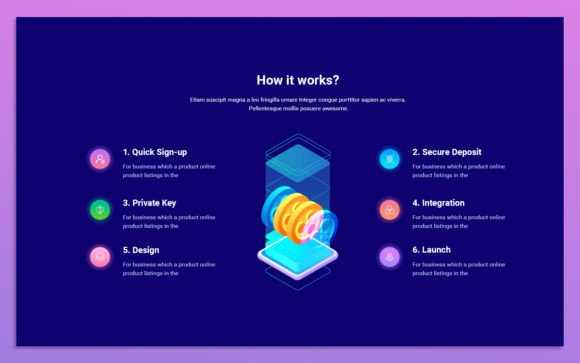
The primary strength of a 3d Landing Page and Web Page lies in its ability to reduce cognitive load while increasing emotional engagement. For instance, an e-commerce brand selling furniture can allow users to rotate and view products from multiple angles directly on the landing page. This interactivity answers potential customer questions before they are even asked, thereby shortening the sales funnel. Similarly, tech startups can use 3D animations to visualize abstract software processes, making intangible services feel concrete and reliable.
However, the effectiveness of these designs depends heavily on execution. Poorly optimized 3D elements can lead to slow loading times and poor performance on mobile devices, which can negatively impact search engine rankings and user retention. Therefore, the value of using pre-designed assets, such as an EPS file, is that they often come with optimized structures that experienced designers have already tested for compatibility and efficiency.
Understanding the Role of EPS Files in Web Design Workflows
For many designers, the term "EPS" (Encapsulated PostScript) is associated with print media due to its vector-based nature, which ensures scalability without loss of quality. However, in the context of web design, an 3d landing page and web page Eps file serves a different but equally critical purpose. It acts as a master source file that contains the vector outlines, layout structures, and sometimes placeholder graphics for the 3D components.
Using an EPS file as a starting point offers several practical advantages:
- Scalability and Flexibility: Vector graphics can be resized to fit any screen dimension, from large desktop monitors to small mobile screens, ensuring consistent visual quality across devices.
- Easy Customization: Designers can easily modify colors, shapes, and text elements within the EPS file using standard graphic design software like Adobe Illustrator before exporting assets for web use.
- Layered Organization: High-quality EPS templates typically feature well-organized layers, allowing developers to isolate specific 3D elements for animation or interactive coding.
- Time Efficiency: Starting with a structured template reduces the initial setup time, allowing teams to focus on customization and functionality rather than basic layout construction.
It is important to note that while the EPS file provides the visual blueprint, the actual implementation of 3D effects on a live website usually requires conversion into web-friendly formats such as SVG, WebGL, or GLTF. The EPS file serves as the design reference and asset generator, bridging the gap between static graphic design and dynamic web development.
Practical Applications and Target Audiences
The versatility of a 3d Landing Page and Web Page makes it suitable for a wide range of industries and professional roles. However, certain groups stand to benefit more significantly from adopting this approach.
Entrepreneurs and Small Business Owners
For startups and small businesses, differentiation is key. A visually striking landing page can help a new brand establish credibility and memorability quickly. By using a pre-made 3D template, entrepreneurs can achieve a high-end look without the substantial cost of hiring a specialized 3D modeling team. This is particularly effective for product launches where visual appeal directly influences early adoption.
Marketing Professionals and Agencies
Marketers are constantly seeking ways to improve click-through rates and time-on-page metrics. 3D elements provide novel interaction points that keep users engaged longer. Agencies can leverage these templates to deliver premium-looking campaigns to clients faster, improving workflow efficiency and profit margins. The ability to tweak an 3d landing page and web page Eps file for different clients allows for rapid prototyping and A/B testing of various visual styles.
Creatives and Freelancers
Graphic designers, UI/UX specialists, and web developers can use these assets to expand their service offerings. By mastering the integration of 3D elements, freelancers can position themselves as experts in modern web trends, commanding higher rates. The availability of editable source files means they can customize designs to match specific client branding guidelines precisely.
Evaluating Quality and Usability
When selecting a 3D web design resource, several factors determine its long-term value and usability. Not all templates are created equal, and a critical evaluation is necessary to ensure the asset meets professional standards.
Technical Consistency: A high-quality template should maintain visual consistency across all elements. The lighting, shadows, and perspectives of the 3D objects should align with the overall design language. Inconsistencies can break immersion and make the site appear amateurish.
Code Cleanliness and Compatibility: If the package includes code snippets or export guidelines, they should be clean, commented, and compatible with major browsers and frameworks. Reliability is crucial; a beautiful design that fails to render correctly on Safari or Chrome is of little practical use.
Customization Depth: The best resources offer deep customization options. Users should be able to change not just colors but also textures, animations, and layout structures. An 3d landing page and web page Eps file that is too rigid may limit creative freedom, whereas one that is too complex may require advanced technical skills to modify.
Performance Optimization: Finally, the design must be lightweight. Heavy 3D graphics can severely impact page load speeds, which is a critical factor for SEO and user experience. Look for assets that prioritize low-poly models or efficient rendering techniques to ensure smooth performance.
Limitations and Considerations
While the benefits are significant, it is essential to acknowledge the limitations of using 3D web elements. Firstly, there is a learning curve. Implementing 3D designs requires a broader skill set than traditional web design, including knowledge of 3D software and potentially JavaScript libraries like Three.js. Secondly, accessibility must be considered. Screen readers and assistive technologies may struggle with complex 3D interfaces, so designers must ensure that alternative text and keyboard navigation options are available.
Additionally, overuse of 3D effects can lead to visual clutter. The goal is to enhance the user experience, not distract from it. Subtlety often yields better results than overwhelming visuals. Designers should use 3D elements strategically to highlight key information or actions, rather than decorating every section of the page.
Conclusion
The integration of three-dimensional elements into web design represents a significant shift in how digital experiences are crafted. A 3d Landing Page and Web Page offers a powerful tool for enhancing engagement, conveying complex information, and establishing a modern brand identity. By leveraging resources like the 3d landing page and web page Eps file, professionals can access high-quality, customizable assets that streamline the design process and reduce development time.
For those willing to invest the time in understanding the technical requirements and best practices, the return on investment can be substantial. Whether you are an entrepreneur launching a new product, a marketer optimizing conversion rates, or a designer expanding your portfolio, embracing 3D web design can provide a competitive edge in an increasingly visual digital world. As technology continues to advance, the barrier to entry for these sophisticated designs will lower, making now an ideal time to explore their potential for your next project.