Enhancing Design Projects with the Versatility of a Calligraphic Swirl Line Element
In the expansive world of digital design, the difference between a competent layout and a captivating visual experience often lies in the subtle details. Among these details, decorative flourishes play a pivotal role in guiding the viewer’s eye and establishing an emotional tone. A calligraphic swirl line element is more than just a decorative accent; it is a fundamental tool for creating elegance, movement, and structure within a composition. Whether you are a seasoned graphic designer, a small business owner crafting marketing materials, or an educator developing engaging presentations, understanding how to effectively utilize these elements can significantly elevate your creative output.
The resurgence of hand-lettering and organic aesthetics in modern branding has brought calligraphic elements back into the spotlight. Unlike rigid geometric shapes, swirls mimic the natural flow of human handwriting, adding a touch of warmth and personality to digital media. This article explores the practical applications, technical specifications, and strategic advantages of incorporating high-quality vector and raster swirl assets into your workflow.
The Strategic Value of Organic Flourishes in Modern Design
Design is not merely about arranging information; it is about controlling attention. A well-placed calligraphic swirl line element serves several functional purposes beyond simple decoration. Primarily, it acts as a visual cue. In long-form content or complex layouts, swirls can direct the reader’s gaze from one section to another, ensuring a smooth narrative flow. They can frame key information, such as quotes or testimonials, giving them the prominence they deserve without overwhelming the surrounding text.
Furthermore, these elements contribute to brand identity. For businesses in industries such as weddings, luxury goods, beauty, and artisanal foods, the use of elegant, flowing lines communicates sophistication and care. The curvature of a swirl can soften the harshness of sans-serif typography, creating a balanced contrast that is pleasing to the eye. This balance is crucial for maintaining readability while adding artistic flair. When used correctly, these elements do not distract; they enhance comprehension by breaking up text blocks and providing visual resting points.
Understanding File Formats: EPS, SVG, and PNG
To maximize the utility of design assets, it is essential to understand the technical differences between file formats. When you acquire a comprehensive design pack, you typically receive multiple formats to ensure compatibility across various software and use cases. Here is what you will get in the zip file and how each format serves a distinct purpose:
- EPS file: Encapsulated PostScript (EPS) is a standard vector format widely supported by professional design software such as Adobe Illustrator and CorelDRAW. Vector files are resolution-independent, meaning they can be scaled to any size—from a tiny icon to a massive billboard—without losing quality. This makes the EPS file ideal for print projects where precision and scalability are paramount.
- SVG file: Scalable Vector Graphics (SVG) is the web-standard vector format. Unlike EPS, SVGs are optimized for digital environments. They are lightweight, load quickly, and remain crisp on high-resolution retina displays. For web designers and developers, SVGs are invaluable because they can be manipulated via CSS and JavaScript, allowing for interactive animations and color changes directly in the browser.
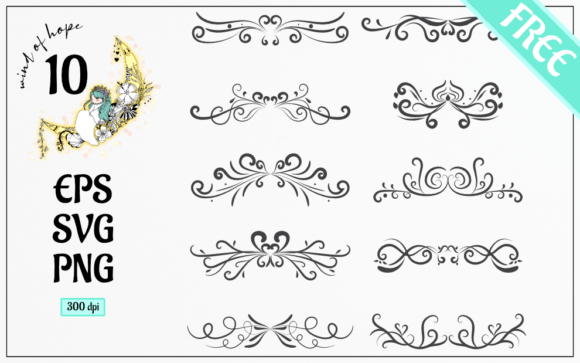
- 10 PNG 300dpi translucent background: Portable Network Graphics (PNG) files are raster images. The inclusion of ten variations at 300 dots per inch (dpi) ensures high-quality print readiness for standard-sized applications. The translucent background is a critical feature, allowing you to overlay the swirls onto photographs, colored backgrounds, or textured papers without unsightly white boxes appearing around the edges. These are perfect for quick edits in software like Photoshop, Canva, or Microsoft Word, where vector editing capabilities may be limited.
Practical Applications Across Industries
The versatility of a calligraphic swirl line element allows it to transcend specific niches. Its application is limited only by the creator’s imagination. Below are several real-world scenarios where these assets prove indispensable.
Wedding and Event Stationery
In the realm of event planning, aesthetics are everything. Invitation suites, save-the-dates, and menu cards rely heavily on elegant typography and decorative borders. A delicate swirl can separate the names of the couple from the date and venue, creating a hierarchical structure that is both beautiful and informative. Using the EPS or SVG files allows printers to produce sharp, clean lines on high-quality cardstock, while the PNGs offer a quick solution for digital invitations sent via email or social media.
Digital Marketing and Social Media
Social media feeds are crowded, and standing out requires visually appealing graphics. Content creators use swirls to highlight promotional offers, frame user-generated content, or add a polished finish to quote graphics. The SVG format is particularly useful here for creating animated stories or posts where the swirl might "draw" itself onto the screen, capturing user attention in the first few seconds of viewing. The translucent PNGs allow for seamless integration over lifestyle photography, maintaining the authentic feel of the image while adding a branded graphical element.
Educational Materials and E-Books
Educators and authors often struggle to make dense text engaging. Incorporating subtle calligraphic elements can break the monotony of long chapters. In e-books, these elements can serve as chapter headers or section dividers. Because digital screens vary in resolution, using SVGs ensures that the decorative lines remain crisp on tablets, e-readers, and smartphones. This attention to detail enhances the perceived value of the educational material, making it feel more premium and professionally produced.
Best Practices for Implementation
While these elements are powerful, overuse can lead to cluttered and unprofessional designs. To maintain a high standard of visual communication, consider the following guidelines when integrating a calligraphic swirl line element into your projects.
Maintain Visual Hierarchy: The swirl should support the content, not compete with it. Ensure that the weight and complexity of the swirl complement the typography. A heavy, bold font may require a thicker, more pronounced swirl, while a light, airy script pairs best with delicate, thin lines.
Color Harmony: Avoid using default black for all decorative elements. Sampling colors from your existing palette or using a muted tone can help the swirl integrate seamlessly into the design. For instance, a soft gold or pastel hue can add sophistication without drawing excessive attention away from the main message.
Spacing and Balance: Give your swirls room to breathe. Crowding a flourish against text or other graphical elements can create visual tension. Adequate white space around the element enhances its elegance and ensures that the eye can follow the curve naturally.
Consistency: If you are using multiple swirls throughout a document or website, ensure they share a consistent style. Mixing vastly different calligraphic styles can create a disjointed user experience. Stick to one family of elements to maintain a cohesive brand identity.
Workflow Efficiency with Pre-Made Assets
Creating custom calligraphic elements from scratch requires significant time and specialized skills in vector illustration. By utilizing a pre-made pack containing EPS, SVG, and PNG files, professionals can streamline their workflow. This approach allows designers to focus on broader creative concepts rather than getting bogged down in the minutiae of drawing individual curves. For non-designers, such as small business owners or hobbyists, these assets provide access to professional-grade visuals without the steep learning curve of advanced design software.
The availability of multiple formats ensures that you are never locked into a specific tool. You can start a project in a web-based editor using PNGs, move to a vector program for precise scaling with EPS, and finally implement the design on a website using SVGs. This flexibility is crucial in today’s multi-platform digital landscape, where content must adapt to various mediums effortlessly.
In conclusion, the integration of a calligraphic swirl line element is a strategic decision that enhances both the aesthetic appeal and functional clarity of design projects. By understanding the technical benefits of EPS, SVG, and PNG formats and applying best practices for placement and styling, creators can produce work that resonates with audiences across diverse industries. Whether for print or digital media, these timeless decorative tools continue to be an essential component of effective visual communication.