Designing for Impact: The Strategic Role of Breast Cancer Ribbon Vector Illustration in Awareness Campaigns
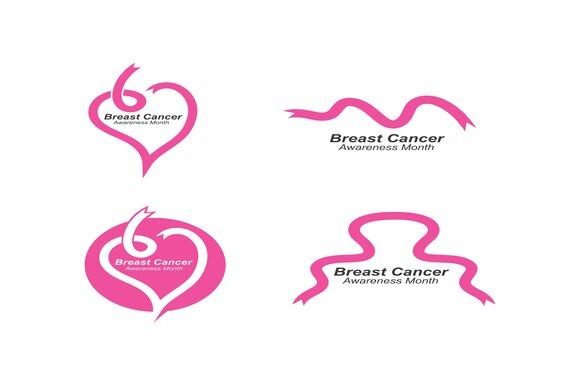
In the realm of health advocacy and graphic design, few symbols are as instantly recognizable as the pink ribbon. It transcends language barriers and cultural differences, serving as a universal beacon of hope, solidarity, and awareness for breast cancer. For designers, marketers, and non-profit organizations, utilizing a high-quality breast cancer ribbon vector illustration is not merely an aesthetic choice; it is a strategic necessity. The versatility, scalability, and professional finish provided by vector graphics ensure that this powerful symbol maintains its integrity across every medium, from tiny social media icons to massive outdoor billboards.
Understanding the technical and emotional nuances of these digital assets allows creators to produce more effective campaigns. Whether you are designing merchandise for a charity walk, creating educational materials for healthcare providers, or developing corporate social responsibility reports, the quality of your visual assets directly impacts how your message is received. This article explores the critical importance of vector formats in advocacy design, offering insights into selection, customization, and ethical implementation.
The Technical Advantage of Vector Formats in Advocacy Design
To appreciate why a breast cancer ribbon vector illustration design template is superior to raster images (such as JPEGs or PNGs), one must understand the fundamental difference in how these files are constructed. Raster images are composed of pixels. When you enlarge a pixel-based image beyond its original resolution, it becomes blurry or pixelated. This degradation is unacceptable in professional printing and large-scale displays, where clarity is paramount.
Conversely, vector graphics are built using mathematical equations that define lines, curves, and shapes. This means a vector file can be scaled infinitely without any loss of quality. A designer can take a single breast cancer ribbon vector illustration and apply it to a business card, a website header, a t-shirt, and a building wrap, all while maintaining crisp, clean edges. This scalability is crucial for awareness campaigns that often need to adapt quickly to various platforms and physical formats.
Furthermore, vector files are typically smaller in file size compared to high-resolution raster images, making them ideal for web use. Faster loading times improve user experience and search engine optimization (SEO), ensuring that your awareness content reaches a wider audience efficiently. Common vector formats include SVG (Scalable Vector Graphics), AI (Adobe Illustrator), and EPS (Encapsulated PostScript), each serving specific workflows within the design industry.
Customization and Brand Integration
One of the most significant benefits of using a breast cancer ribbon vector illustration design template is the ease of customization. Non-profits and corporations often have strict brand guidelines that dictate color palettes, typography, and visual styles. A static image offers little flexibility, but a vector file allows designers to manipulate every aspect of the illustration.
- Color Accuracy: While pink is the standard color for breast cancer awareness, brands may need to adjust the shade to match their corporate identity or to differentiate between various sub-causes (such as metastatic breast cancer, which sometimes uses different shades or patterns). Vector files allow for precise CMYK or RGB color adjustments.
- Shape Modification: Designers can alter the curvature, thickness, or style of the ribbon to better fit the layout of a poster or digital banner. This ensures that the symbol integrates seamlessly with other design elements rather than appearing pasted on.
- Layer Management: Professional vector templates often come with organized layers. This allows users to isolate the ribbon from background elements, add text behind or in front of specific loops, or apply complex effects like gradients and shadows without affecting the core shape.
This level of control empowers creators to produce unique, branded materials that stand out in a saturated market. During October, which is Breast Cancer Awareness Month, thousands of organizations launch campaigns. A generic clip-art ribbon may get lost in the noise, but a custom-designed breast cancer ribbon vector illustration that aligns with a brand’s voice can capture attention and foster deeper engagement.
Ethical Considerations and Symbolic Integrity
While customization is valuable, it must be balanced with respect for the symbol’s meaning. The pink ribbon is not just a marketing tool; it represents millions of individuals affected by breast cancer, including survivors, patients, and those who have lost loved ones. Misusing or trivializing the symbol can lead to public backlash and damage the credibility of the organization.
When selecting a breast cancer ribbon vector illustration design template, designers should avoid overly cartoonish or inappropriate stylizations unless the context specifically calls for a lighthearted approach, such as children’s educational materials. The tone should generally remain dignified and hopeful. Additionally, it is essential to ensure that the usage of the ribbon complies with any trademark or licensing restrictions associated with specific awareness organizations. While the general concept of the pink ribbon is in the public domain, specific logos or designed iterations may be protected intellectual property.
Transparency is also key. If a company is using a breast cancer ribbon vector illustration in a commercial product, consumers increasingly demand to know how much of the proceeds actually support research or patient care. "Pinkwashing"—the practice of using the symbol for profit without substantial contribution to the cause—is heavily criticized. Ethical design involves not only choosing the right visual asset but also ensuring that the accompanying messaging is honest and impactful.
Practical Applications Across Industries
The utility of a high-quality vector illustration extends far beyond traditional non-profit posters. Various sectors leverage these assets to demonstrate solidarity and engage their communities.
Corporate Social Responsibility (CSR)
Businesses often incorporate the pink ribbon into their internal and external communications during awareness month. A breast cancer ribbon vector illustration design template can be used to create email signatures, intranet banners, and employee badge holders. Because vectors are scalable, the same file can be used for small digital icons and large lobby displays, ensuring consistent branding across all touchpoints.
Fashion and Retail
The apparel industry frequently releases limited-edition items to support breast cancer research. Designers use vector files to create screen-printing stencils, embroidery patterns, and heat-transfer designs. The clean lines of a breast cancer ribbon vector illustration ensure that prints on fabric look professional and durable, even after multiple washes.
Digital Media and Web Design
In the digital space, SVG files are particularly valuable. They can be animated using CSS or JavaScript, allowing for interactive web experiences. For example, a website might feature a ribbon that gently pulses or changes color when hovered over, drawing attention to donation links or educational resources. This interactivity enhances user engagement without compromising load speeds.
Healthcare and Education
Hospitals and clinics use these illustrations in brochures, waiting room displays, and educational slides. Clarity is essential in these settings, as the materials often contain critical health information. A crisp, professional vector graphic reinforces the authority and trustworthiness of the medical institution.
Selecting the Right Asset for Your Project
With countless resources available online, choosing the right breast cancer ribbon vector illustration design template requires careful consideration. Here are several factors to evaluate:
- Source Credibility: Obtain files from reputable stock photo agencies or professional design marketplaces. These sources typically vet their content for quality and legal compliance.
- File Compatibility: Ensure the vector format is compatible with your design software. Adobe Illustrator users may prefer AI files, while web developers might prioritize SVGs. CorelDRAW users might look for CDR formats.
- Complexity vs. Simplicity: Choose a design that matches the complexity of your project. A minimalist ribbon may work best for a logo, while a more detailed illustration with floral elements or textures might suit a commemorative poster.
- Licensing Terms: Always read the license agreement. Some files are free for personal use but require a commercial license for business applications. Understanding these terms prevents legal issues down the line.
By prioritizing quality, ethics, and technical suitability, designers can harness the power of the breast cancer ribbon vector illustration to create meaningful, visually compelling campaigns. These digital assets are more than just graphics; they are tools for connection, education, and change. When used thoughtfully, they amplify the voices of those affected by breast cancer and drive tangible support for research and care.
As technology evolves, so too do the ways we interact with these symbols. From augmented reality filters to 3D-printed awareness tokens, the foundational vector file remains the starting point for innovation. By mastering the use of these versatile design templates, creators can ensure that their contributions to breast cancer awareness are both beautiful and effective, honoring the spirit of the cause with every pixel and path.