10 Portfolio UI Elements for Modern Design
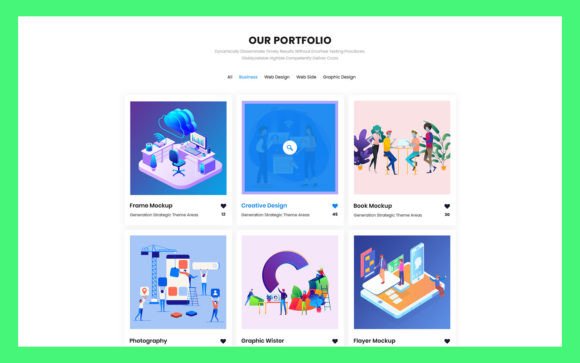
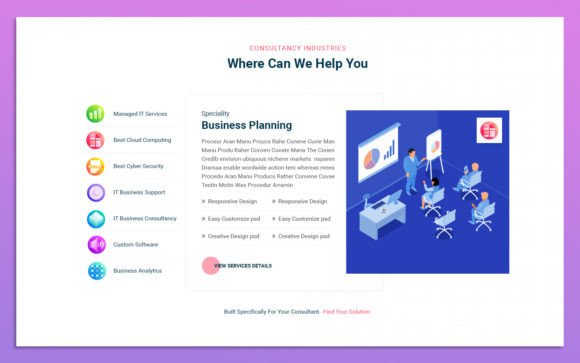
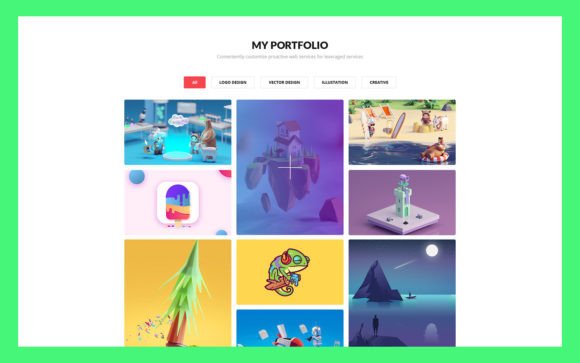
Elevating your digital presence begins with the subtle yet powerful details that define user experience. In the competitive landscape of graphic design, having access to high-quality, adaptable assets is not just a luxury—it is a necessity. This is where 10 Portfolio UI Elements come into play, offering a streamlined solution for designers who need to create professional, polished interfaces without starting from scratch. These elements are designed to be incredibly easy to use and fully customizable, ensuring that your creative vision remains intact while significantly reducing production time.
The core value of these assets lies in their flexibility. Whether you are working on a personal website, a mobile application, or a comprehensive service platform, the ability to quickly adapt visual components is crucial. Each element is crafted with a simple, clean, and modern aesthetic that aligns with current design trends. Because they are provided in PSD format with fully organized layers, you can effortlessly modify colors, typography, and layout structures using Adobe Photoshop. This level of control allows for seamless integration into any existing brand identity, ensuring consistency across all touchpoints.
Why Versatile UI Assets Matter in Visual Communication
In modern web design and UI design, visual hierarchy dictates how users interact with content. Poorly structured interfaces can lead to confusion and high bounce rates, whereas well-organized layouts guide the eye naturally through the information. By utilizing pre-built portfolio elements, designers can focus more on strategy and less on repetitive technical tasks. This shift in workflow enhances the overall quality of the final product, allowing for greater attention to detail in areas like typography spacing and color palette harmony.
These assets are not limited to web interfaces. Their utility extends across various disciplines of visual design. For instance, the clean lines and modular nature of these elements make them ideal for creating cohesive social media graphics or professional presentations. When your digital marketing materials share a common visual language with your website, you strengthen brand recognition and trust among your audience.
Practical Applications Across Creative Projects
The versatility of these portfolio UI elements means they can be adapted for a wide range of creative projects. Here is how you can leverage them effectively:
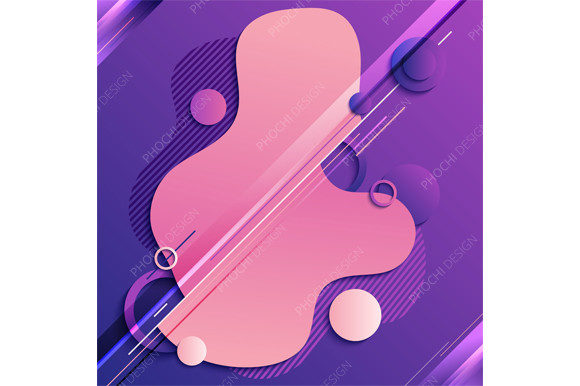
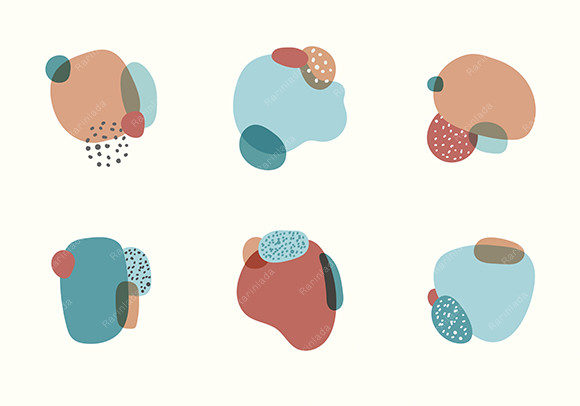
- Branding and Logo Design: Use the clean geometric shapes as foundational structures for logo concepts or brand marks.
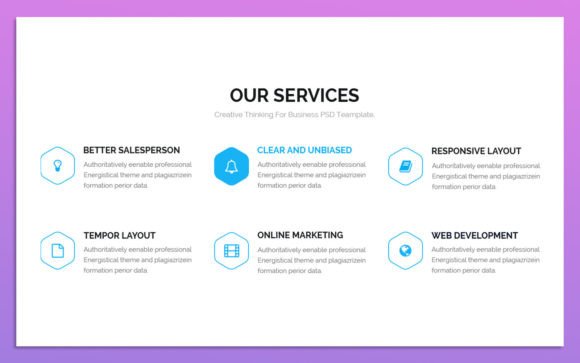
- Website and UI Design: Implement the ready-made cards, buttons, and headers to accelerate the prototyping phase of app development.
- Editorial Layouts: Adapt the typography settings and grid systems for digital magazines or PDF reports.
- Digital Marketing: Create consistent ad banners and landing page sections that align with your campaign goals.
- Packaging Design: Utilize the label templates and icon sets for product packaging mockups.
Each application benefits from the source file’s organization. With RGB color settings and Google Fonts integration, you ensure that what you see on screen is exactly what your users will experience digitally. This compatibility is vital for maintaining professional presentation standards across different devices and platforms.
Tips for Selecting and Customizing Design Elements
To get the most out of these creative assets, it is important to approach customization with a strategic mindset. First, consider your audience expectations. A minimalist approach often works best for tech-focused portfolios, while bolder colors might suit creative agencies. Always prioritize readability and scalability; ensure that text remains legible when elements are resized for mobile views.
Consistency is key to effective branding. When editing the PSD files, stick to a defined color scheme that reflects your brand’s personality. Use the layer groups to isolate specific components, such as icons or background textures, allowing you to tweak them without affecting the overall composition. This methodical approach to your design workflow ensures that every element contributes to a unified and compelling visual narrative.
Furthermore, pay attention to whitespace. Modern aesthetics rely heavily on breathing room between elements to create a sense of sophistication and clarity. Do not overcrowd your designs; instead, let the clean structure of the portfolio elements do the heavy lifting. By balancing imagery, typography, and negative space, you create an engaging user experience that feels both intuitive and premium.
Ultimately, the goal of using high-quality design assets is to enhance communication. Whether you are showcasing a project, selling a service, or building a personal brand, the visual tools you choose play a pivotal role in how your message is received. By leveraging these easy-to-edit, modern UI elements, you empower yourself to produce work that is not only visually stunning but also functionally robust. Invest in tools that simplify your process, and watch as your creative projects gain the polish and professionalism needed to stand out in today’s digital world.